Rise Minds is an online emotional tutoring programme for children between 7-11 with ADHD, autism, dyslexia, and other learning differences. We help them build confidence, feel emotionally safe, and make real progress — at their own pace. Because learning should feel possible, not painful.
"Your child is not behind. They are rising - in their own way."
Who
we
help?
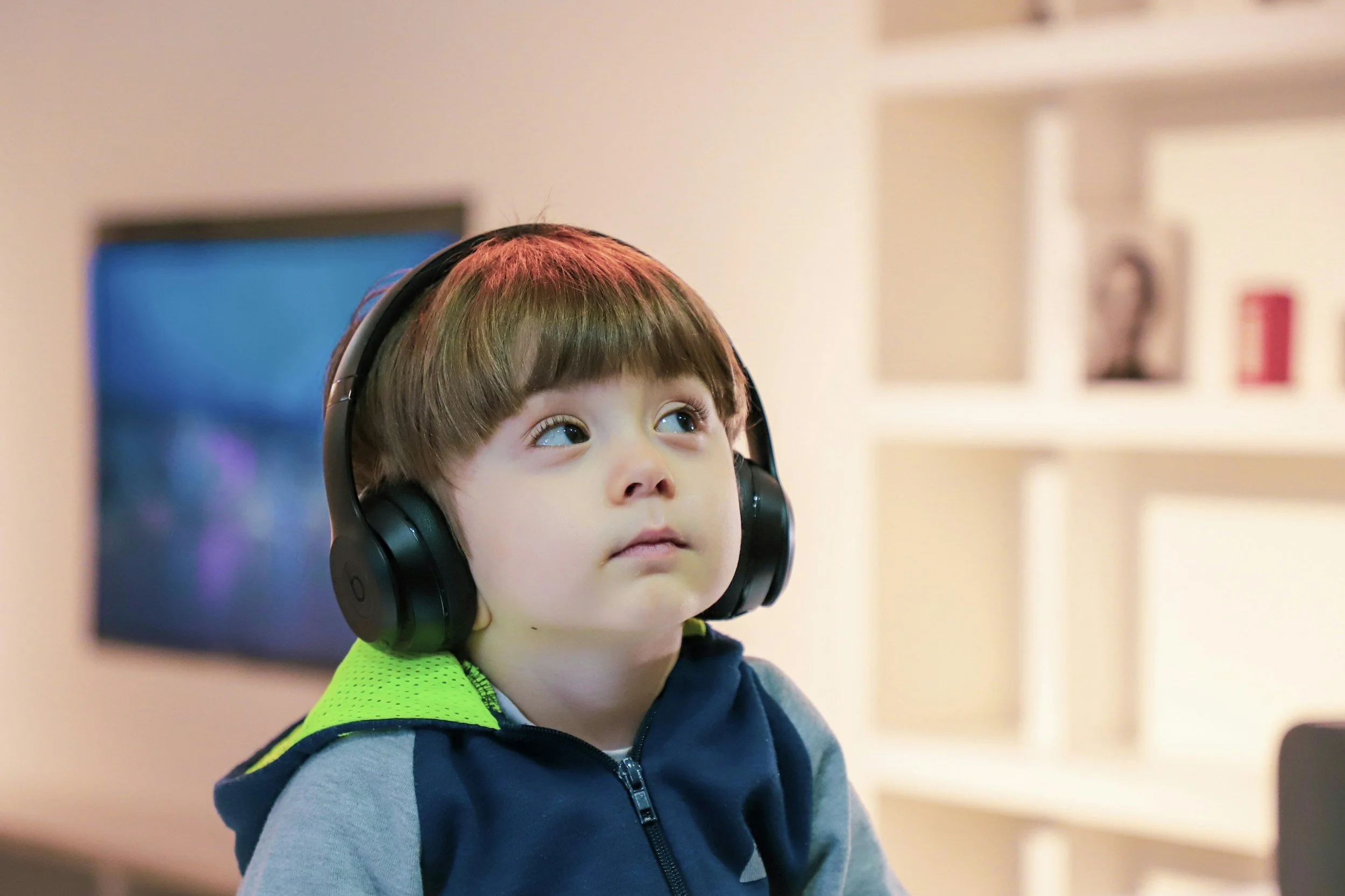
You know your child is bright. You've seen the spark — the way they light up talking about things they love, the questions they ask that catch you off guard. But school? School feels like a different story. If your child is struggling in ways that are hard to explain, Rise Minds was built for them.
Autism
>>
ADHD
>>
Dyslexia
>>
Anxiety & Emotional Overwhelm
>>
Dyscalculia
>>
PDA (Pathological Demand Avoidance)
>>
Developmental Language Disorder - DLD
>>
Autism >> ADHD >> Dyslexia >> Anxiety & Emotional Overwhelm >> Dyscalculia >> PDA (Pathological Demand Avoidance) >> Developmental Language Disorder - DLD >>
Autism
<<
Anxiety & Emotional Overwhelm
<<
Dyslexia
<<
Developmental Language Disorder - DLD
<<
Dyscalculia
<<
PDA (Pathological Demand Avoidance)
<<
ADHD
<<
Autism << Anxiety & Emotional Overwhelm << Dyslexia << Developmental Language Disorder - DLD << Dyscalculia << PDA (Pathological Demand Avoidance) << ADHD <<
Autism
<<
Anxiety & Emotional Overwhelm
<<
Dyslexia
<<
Developmental Language Disorder - DLD
<<
Dyscalculia
<<
PDA (Pathological Demand Avoidance)
<<
ADHD
<<
Autism << Anxiety & Emotional Overwhelm << Dyslexia << Developmental Language Disorder - DLD << Dyscalculia << PDA (Pathological Demand Avoidance) << ADHD <<

Our Programmes
Three focused programmes. One child at the centre.
At Rise Minds, our programmes are designed to provide consistent, personalised support for neurodivergent children in a calm and nurturing environment. We believe that every child learns differently, which is why each programme offers structured guidance, emotional support, and space to grow in confidence at their own pace. Every Rise Minds programme is delivered online, one-to-one, and built around your child — not a template.

Independence Growth
For children who rely heavily on adult support to get through the day — and families who are exhausted by it. We gently reduce that reliance, session by session, until your child starts surprising themselves.
Best for: children who struggle to start tasks alone, need constant reassurance, or find self-management difficult.

Emotional Regulation
For children whose big feelings arrive faster than their ability to handle them. We build a vocabulary for what's happening inside, practical tools to use in the moment, and the kind of calm that doesn't depend on everything going right.
Best for: children who melt down, shut down, or find transitions and change very hard.

Confidence Building
For children who've started to believe the story that school has told them about themselves. We dismantle "I can't" — quietly, patiently, and through activities that feel nothing like the things that broke their confidence in the first place.
Best for: children who melt down, shut down, or find transitions and change very hard.
Why choose Rise Minds?
What if the best place to grow is already home?
Neurodivergent children think more clearly, open up more readily, and engage more deeply somewhere familiar — somewhere already theirs. Rise Minds sessions happen entirely online. No new buildings, no strangers, no anxiety before anything's begun. And joining is effortless: no app, no account, no faff. Just a link. Your child clicks it. They're in. Some of our children open it themselves every week — and that small moment of independence? That's already the work beginning.
Sessions that feel like playing. Because they mostly are.
Asking a 7 to 11-year-old to sit still and listen is… optimistic. So we don't. Sessions are built around interactive games, on-screen challenges, and digital tools that keep your child doing — not watching, not waiting, not drifting. They're collecting creatures, making decisions, solving things on screen. Every activity has a real purpose behind it — building focus, confidence, or emotional skills. Your child just won't notice, because it feels nothing like a lesson. That's exactly how we planned it.
Built around your child. Chosen with you.
Rise Minds works with children aged 7–11 across three focused programmes. Confidence Building dismantles "I can't" and replaces it with proof that they can. Emotional Regulation builds vocabulary, coping tools, and calm — at their pace, never clinical. Independence Growth gently reduces the need for adult support until your child surprises themselves. You won't have to figure out which one fits — we work that out with you. Because understanding your child is where everything begins.
About me
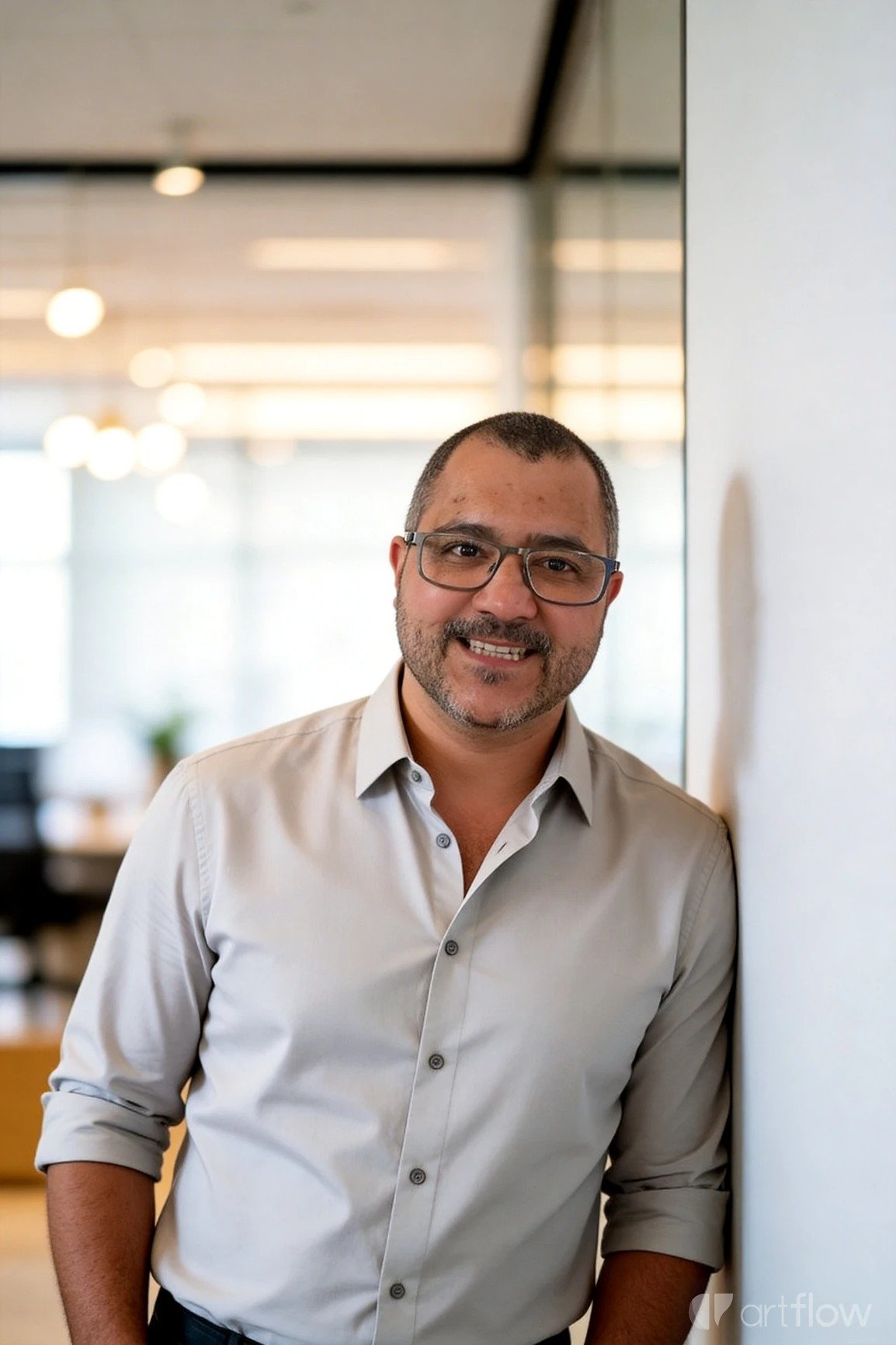
Hi, my name is Kleber.
I grew up in Brazil at a time when learning differences were rarely understood. Children who struggled were labelled, misunderstood, and expected to simply keep up. I was one of those children.
I found it hard to focus — and instead of support, I got pressure. I was moved to the front of the class, shouted at, and called "lazy." Eventually, I had to repeat a school year. Over time, I stopped trusting myself. I became the funny one. I understand now that it was my way of proving I had value.
-
Despite everything, I worked hard. I finished school, went to university, and built a career in accounting. But something always felt missing.
At 38, I watched a documentary about ADHD and recognised myself for the first time. After my diagnosis, things finally made sense. I wasn't incapable — I simply learned differently.
That realisation changed everything. I moved to London and found real purpose working with neurodiverse children in KS1 and KS2. After over five years in primary school settings, I've taken everything I've learned — and created Rise Minds programme.
Through Rise, I offer personalised support designed to help your child feel safe, build confidence, and become a more independent learner — because every child deserves to feel understood and to realise their potential.
If this resonates with you, I would love to help.

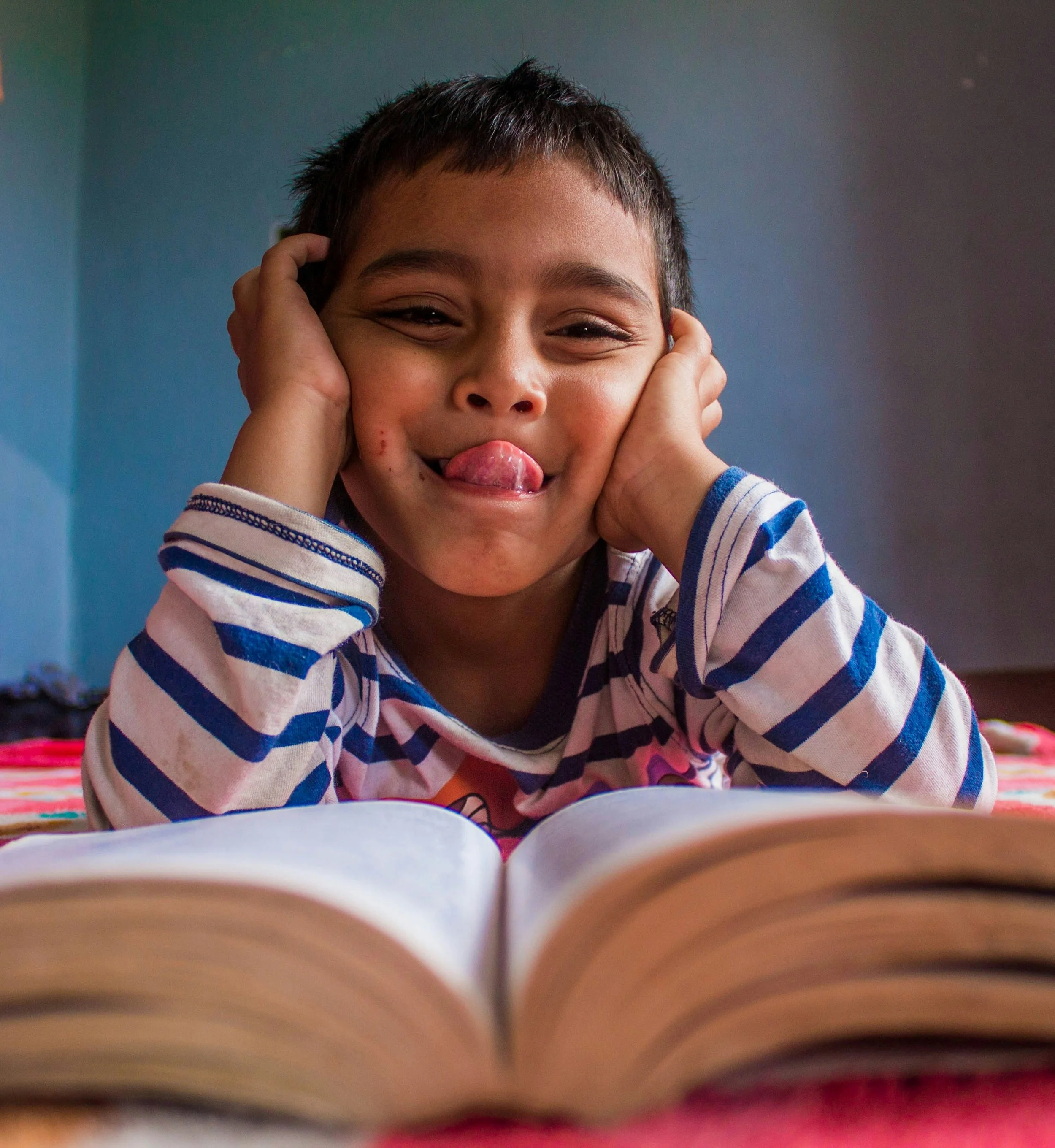
Your child is neurodivergent, awaiting a diagnosis, or you simply know something isn't quite right
They're struggling in school — not because they can't learn, but because the support isn't matching how they think
Homework, transitions, or big emotions are making daily life harder than it needs to be
They've been called disruptive, distracted, or behind — when really, they just haven't been understood yet
Sound familiar?
If this sounds like your child, I’d love to support you.
Free download!
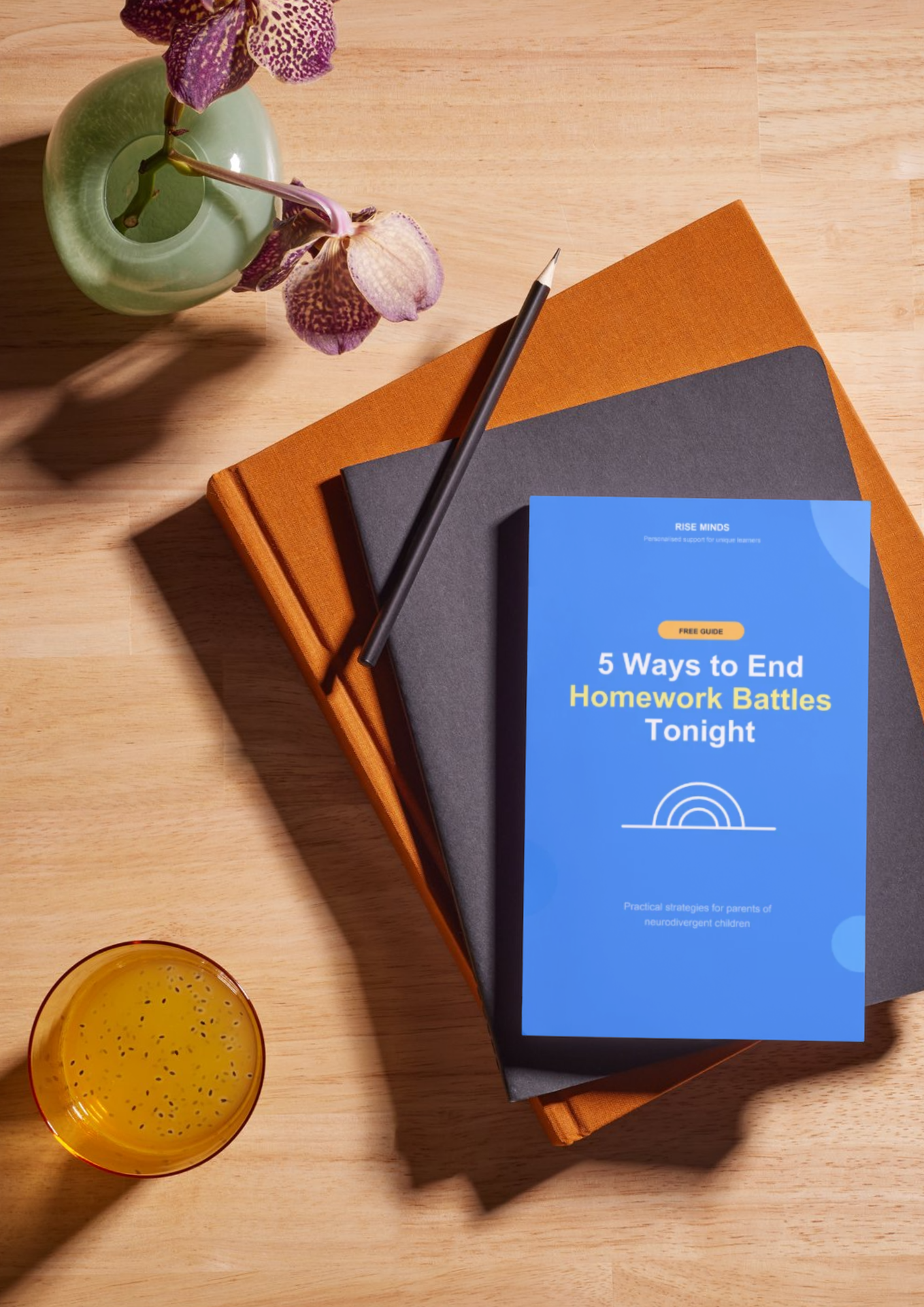
Does homework time feel like a battle? You're not alone. So many parents of neurodivergent children feel exactly the same. Grab your free guide and discover 5 simple steps to end homework battles and make your evenings calmer — starting tonight.